I research and test everything I recommend. As an Amazon Associate, I earn a small commission on purchases through my links. Your price stays the same, and I get to buy more good tea. Win-win.
If you want one book about tea, make it Tea: History, Terroirs, Varieties. I've owned it since 2016, I still pull it off the shelf every time I teach someone about tea, and this is my honest review of the best tea book I've ever read.
It's a reference book, a travel book, and a coffee table book all at once. And it's the reason I understand tea the way I do.
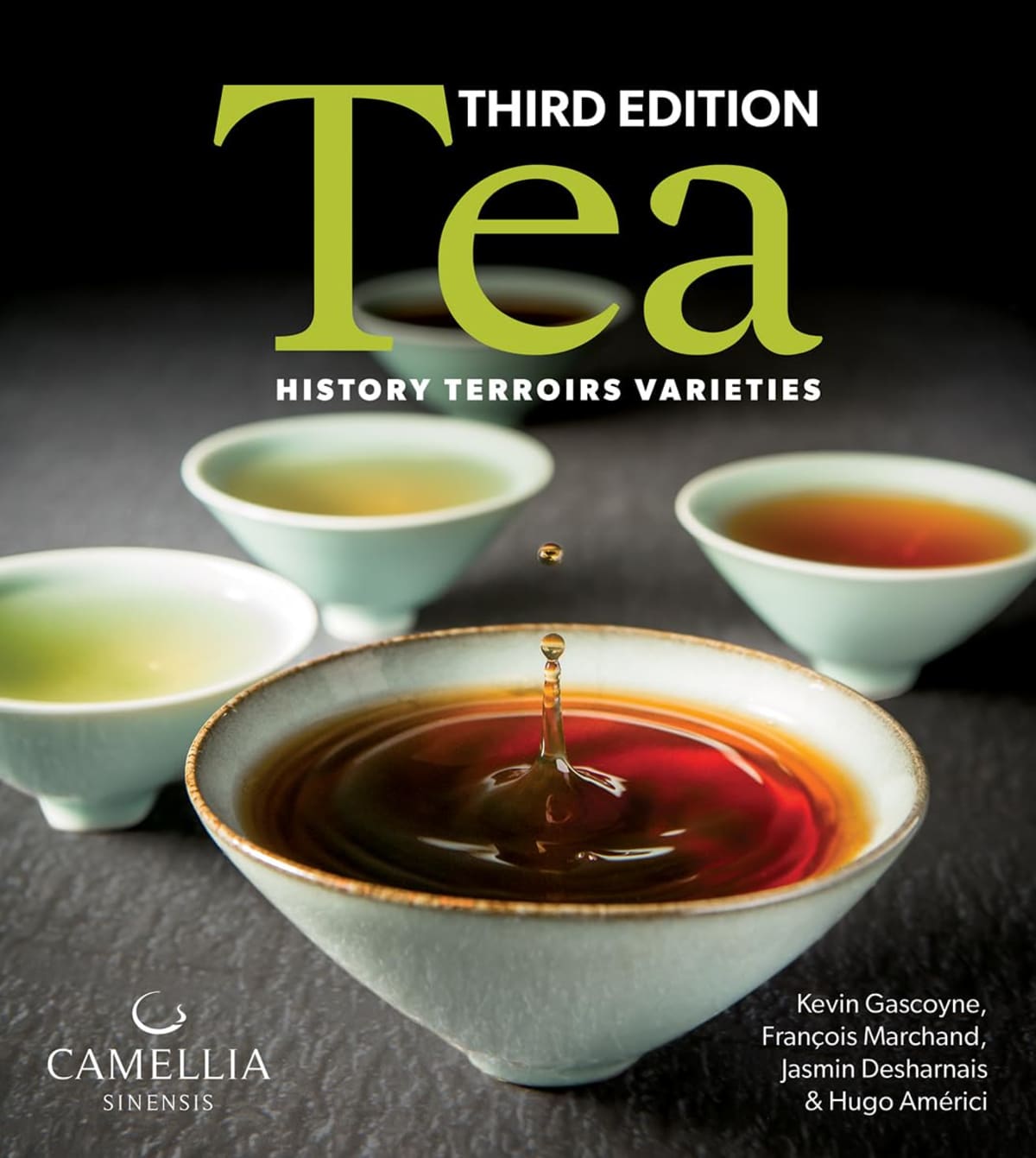
Tea: History, Terroirs, Varieties (Third Edition) by Kevin Gascoyne, François Marchand, Jasmin Desharnais and Hugo Américi
Check price on Amazon
How This Book Taught Me Tea
I got my first copy in 2016. It was the second edition, and I was working at a paddle board rental stand on the Boulder Reservoir.
Sunshine, the water, slow stretches between rentals. I'd sit there with this big book open on my lap and read about tea farms on the other side of the world.
Later that day I'd head over to Ku Cha House of Tea, the tea shop in Boulder where I first learned Gong Fu Cha. I'd ask for whatever I had just read about. An oolong from a mountain in Taiwan. A pu'er that had been aging for years. Read it in the afternoon, taste it that night. That loop taught me more than any class could have.
The tea shop that started it all: Blog: Ku Cha House of Tea Boulder.
Ten years later, it's still the book I bring out when I'm teaching people tea. Somebody asks why their oolong tastes roasted, or what makes pu'er different, and I open to the page and let the photos do the talking.
For my birthday this year, I got the third edition. The photos and layout are even more gorgeous. Honestly, it's a work of art.
What's Inside Tea: History, Terroirs, Varieties
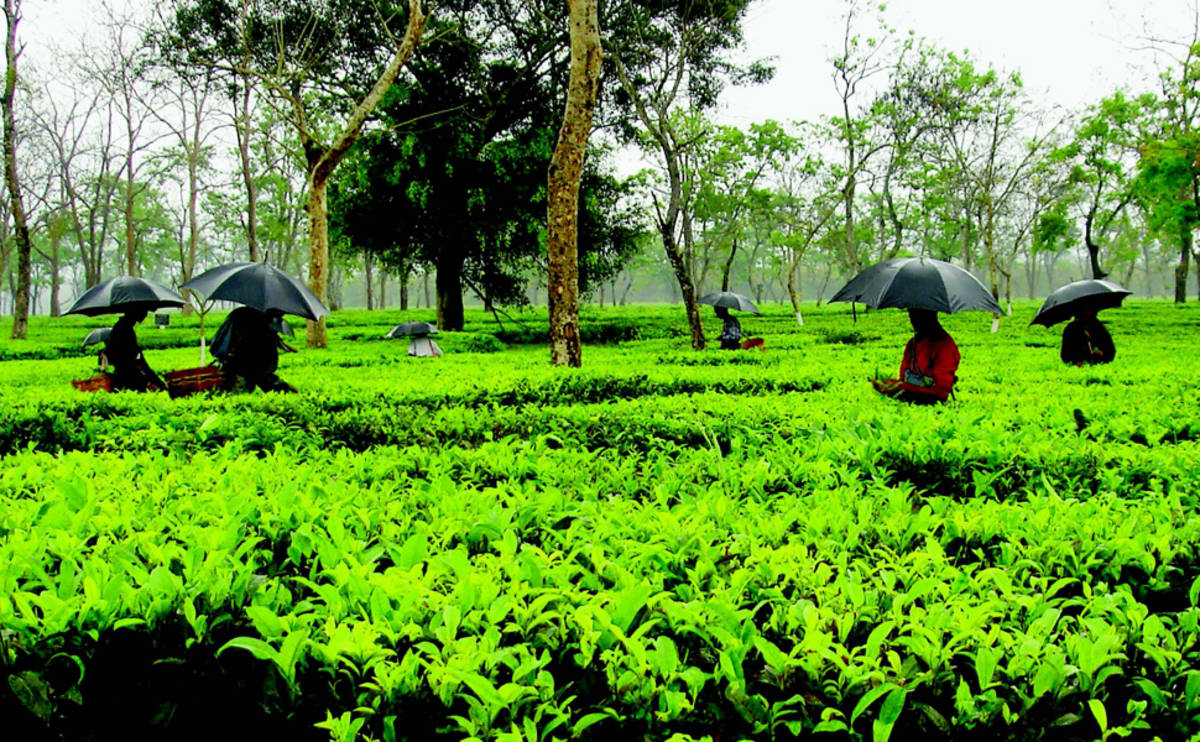
The four authors run the Camellia Sinensis tea house in Montreal. They buy tea straight from growers and travel to the tea regions every year. That's the whole book's advantage: it was written by people who stand in the gardens.
- History: how tea traveled from China to the rest of the world.
- From leaf to cup: how tea is grown, harvested and processed, and how one plant, Camellia sinensis, becomes white, green, yellow, oolong, black and pu'er.
- Terroir, country by country: China, Japan, Taiwan, India, Sri Lanka, Nepal, Vietnam and East Africa, and how soil and climate shape each tea, the way they do with wine.
- Interviews: conversations with growers, tea makers and people across the tea world. They were my favorite part the first time through, and they still are.
- Tasting and brewing: tasting notes, how each culture prepares its tea, and teaware guidance.
The third edition is 288 pages, updated for changes in the tea market and climate change, with new photography throughout. It was also named the world's best tea book at the 2014 World Tea Awards, which matches my experience exactly.
The Best Coffee Table Book for Tea Lovers
Most coffee table books look good and say very little. This one does both. It's a big 8.5 by 9.5 inch book full of tea gardens, leaves, liquor colors and the people who make it, and guests always end up flipping through it.

Set it next to your teapot or on the table where you host. When friends come over for tea, it starts the conversation for you. Somebody flips to a page, points, and asks, "Can we try this one?" That's exactly how a tea night should go.
If you love hosting, this is for you: Blog: Inviting People Over for Tea.
The Best Book for Gong Fu Cha and Loose Leaf Tea
If you're getting into Gong Fu Cha, this book is the background reading that makes every session richer. You'll understand where your oolong was grown and how it was made, why roasting changes its flavor, and why pu'er can get better with age.
That knowledge changes how you brew. You start choosing water temperature, leaf amount and steep time for a reason.
New to the ceremony? Start here: Blog: Gong Fu Cha: The Chinese Tea Ceremony That Will Slow You Down. And the set I'd hand you to start: Blog: The Best Gong Fu Cha Tea Ceremony Set for Beginners.
Once you start buying aged pu'er and good oolong, store it right: Blog: Best Tea Storage.
Second Edition vs Third Edition
I've owned both. The second edition taught me tea, and I still love my worn copy. The third edition is the one to buy today: updated content, new photos and a cleaner, more beautiful layout.
If you find a used second edition cheap, it's still a great book. But for a gift, get the third.
Who Should Get This Book
- Anyone moving from tea bags to loose leaf tea who wants to understand what they're drinking.
- Gong fu cha and tea ceremony fans who want the story behind every leaf.
- Hosts who want a coffee table book their guests will actually open.
- The tea lover on your gift list. It shows up in my Blog: Christmas Gifts for Tea Lovers list for a reason.
Who might skip it? If you only want a quick brewing chart, this is more book than you need. It rewards curiosity.
Another Tea Book Worth Reading
If you want a story to go with the reference, read A History of the World in 6 Glasses by Tom Standage. Its tea chapter covers the British Empire, the Opium Wars and the Boston Tea Party, and it reads like a page-turner. I wrote about both books here: Blog: Where Does Tea Come From?
Tea Book FAQ
Is it good for beginners? Yes. It starts with what tea is and how it's made, then goes country by country. Read it front to back or just flip to the tea in your cup.
Who wrote it? Kevin Gascoyne, François Marchand, Jasmin Desharnais and Hugo Américi, the tea buyers behind Camellia Sinensis in Montreal.
Does it cover Japanese tea and matcha? Yes, Japan gets its own section, including how matcha is made and prepared. For a quick primer first: Blog: The Best Types of Japanese Green Tea.
My Verdict
Whether it's a gift for a friend or a way to grow your own tea knowledge, this is the tea book to own. It's beautiful enough for the coffee table and deep enough to keep teaching you for years. Ten years and two editions in, I'm still learning from it.
Check price on Amazon
Homework: brew a tea you love, open the book to the country it came from, and read while it steeps.