Every gong fu cha starter guide eventually points you toward a Yixing teapot. They're beautiful, they're steeped in centuries of tradition, and they usually run somewhere between $75 and $200 for anything worth owning.
My take is simple: don't buy one yet. If you're just getting into gong fu cha, a porcelain gaiwan (or a few, still saving money) will serve you better, cost you less, and teach you more about the process.
What makes Yixing clay different (and awesome)
Yixing teapots are made from zisha, a mineral-rich clay mined near Yixing, China, that's prized specifically because it's porous. Over hundreds of steepings, the clay absorbs trace oils and flavor compounds from the tea, and that absorption is supposed to season the pot, rounding out the brew over years of use. It's a genuinely cool piece of craft, and it's the whole reason collectors take Yixing seriously.
The problem: one pot, one tea, forever
That same porosity is what makes Yixing a bad fit for a beginner. Because the clay soaks up flavor permanently, a pot that's been seasoned with puerh will start bleeding puerh notes into anything else you brew in it. Tea drinkers who take this seriously end up dedicating one pot per tea type. One for puerh, one for oolong, maybe another for black tea.
If you're still figuring out which teas you even like, that's an expensive way to find out, and it turns a $75-$200 purchase into several of them before you've settled on a favorite. I ran into this exact issue while putting together my gong fu cha ceremony set for beginners, which is part of why I steer new tea drinkers toward porcelain first.
Why a gaiwan solves this
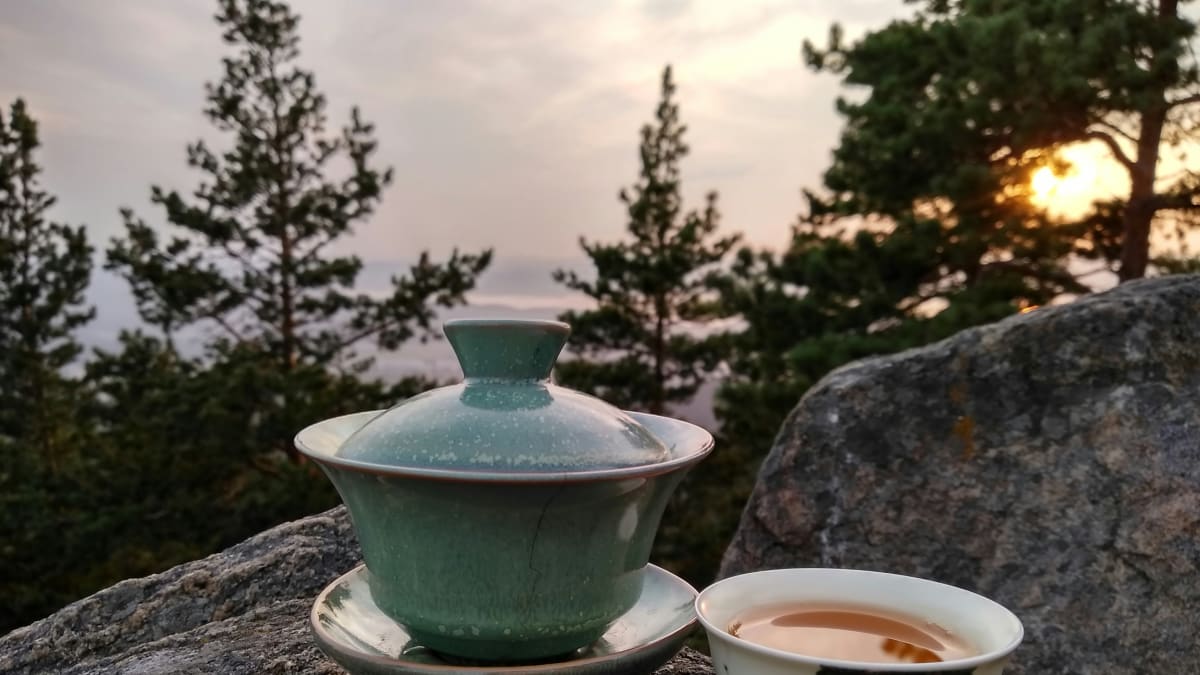
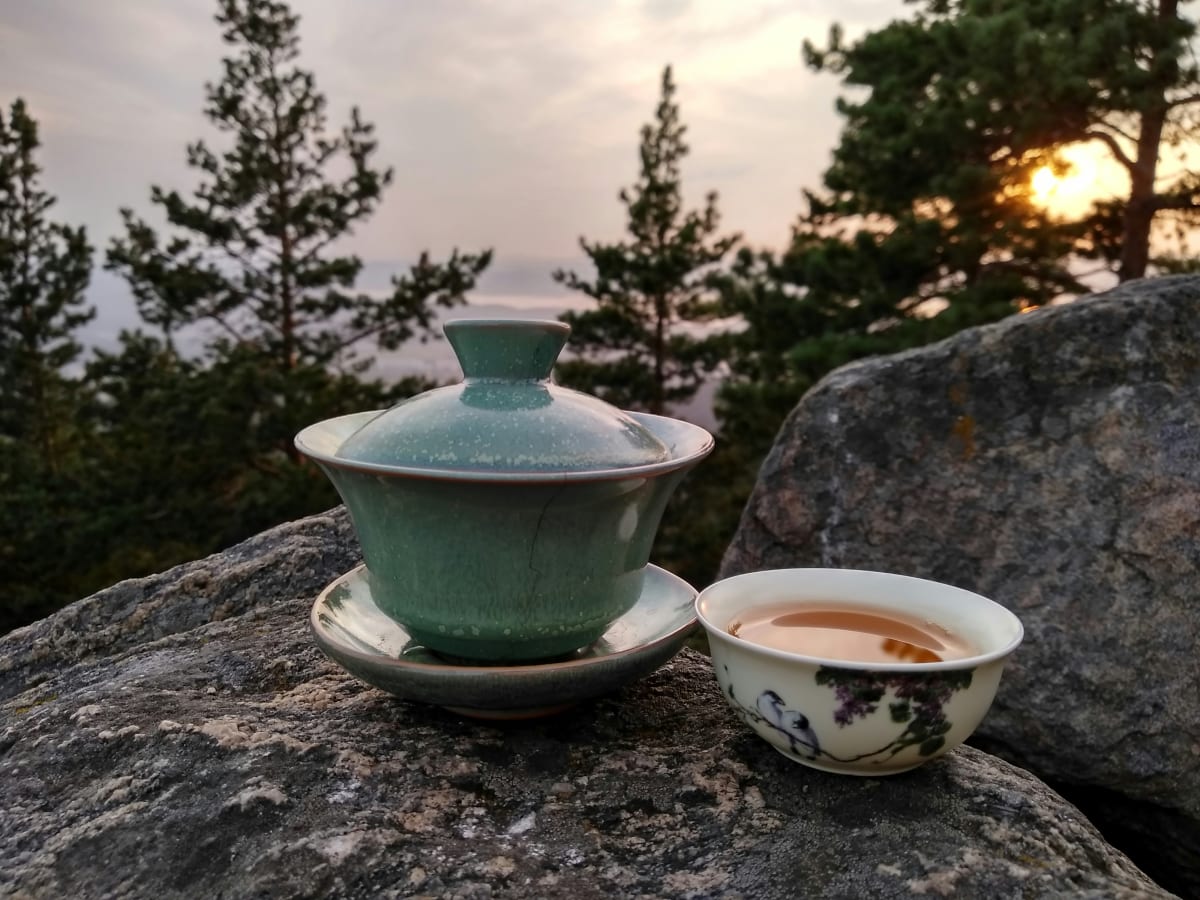
A gaiwan, the lidded bowl-and-saucer setup used throughout Chinese tea culture, is glazed porcelain. Glazed porcelain doesn't absorb anything. You can brew a puerh in it on Monday and a delicate green tea on Tuesday, and neither one will taste like the other.
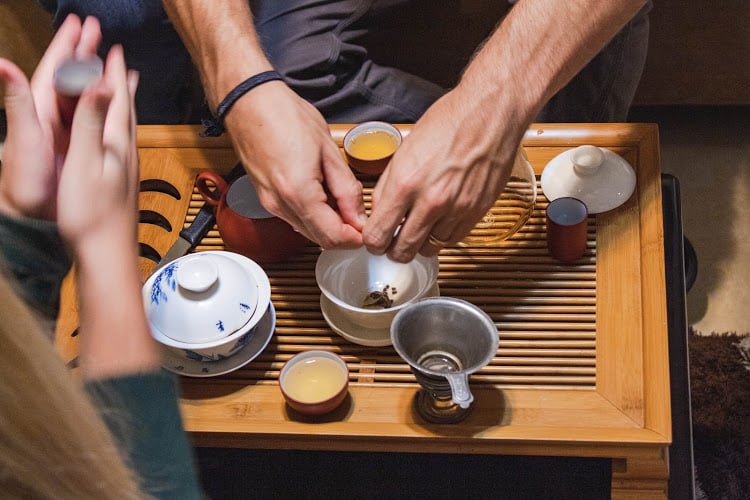
That neutrality means you can experiment across tea types with a single vessel while you're still learning what you actually like, which is exactly the stage most beginners are in. Gaiwans also tend to run cheaper than a quality Yixing pot, so you're not committing real money to a decision you're not ready to make yet. If you want the full rundown on how a gaiwan fits into the ceremony itself, I'd start with Gong Fu Cha: the Chinese tea ceremony that will slow you down.
When Yixing actually is worth it
None of this means Yixing pots are a bad purchase, just a bad first purchase. Once you've spent real time with gong fu cha and you know which tea you keep coming back to, seasoning a dedicated pot for that one tea is a genuinely rewarding upgrade.
That's the order I'd do it in: figure out your tea in a gaiwan, then commit to clay once you know what you're committing to. If you're still building out your setup in the meantime, my portable gong fu tea set post covers gear that travels well while you experiment.