I only recommend tea gear I've researched or used myself. As an Amazon Associate, I earn from qualifying purchases, and your price stays the same.
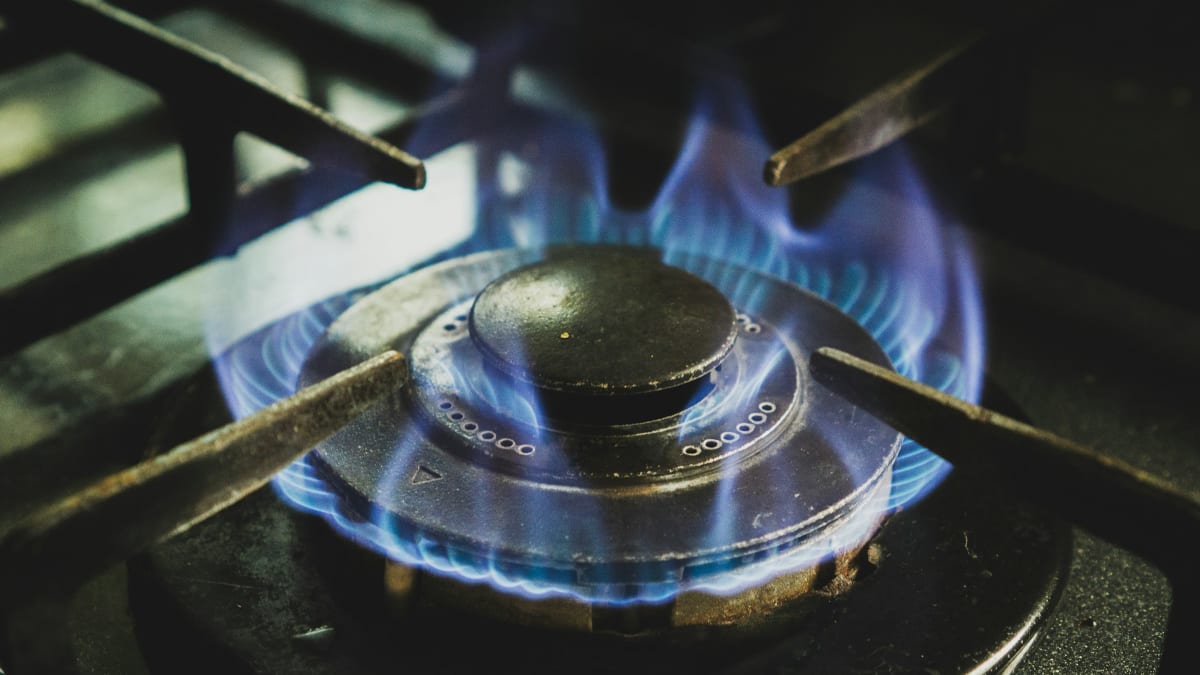
It depends on which kind you have. A cast iron teapot with an enamel lining, which is nearly every one sold today, should stay off the stove. An unlined cast iron kettle, called a tetsubin, is made to boil water over direct heat.
The two look alike from the outside, and stores often use "teapot," "kettle" and "tetsubin" for both. So the first job is working out which one is sitting on your counter.
How Do You Tell a Cast Iron Teapot From a Tetsubin Kettle?
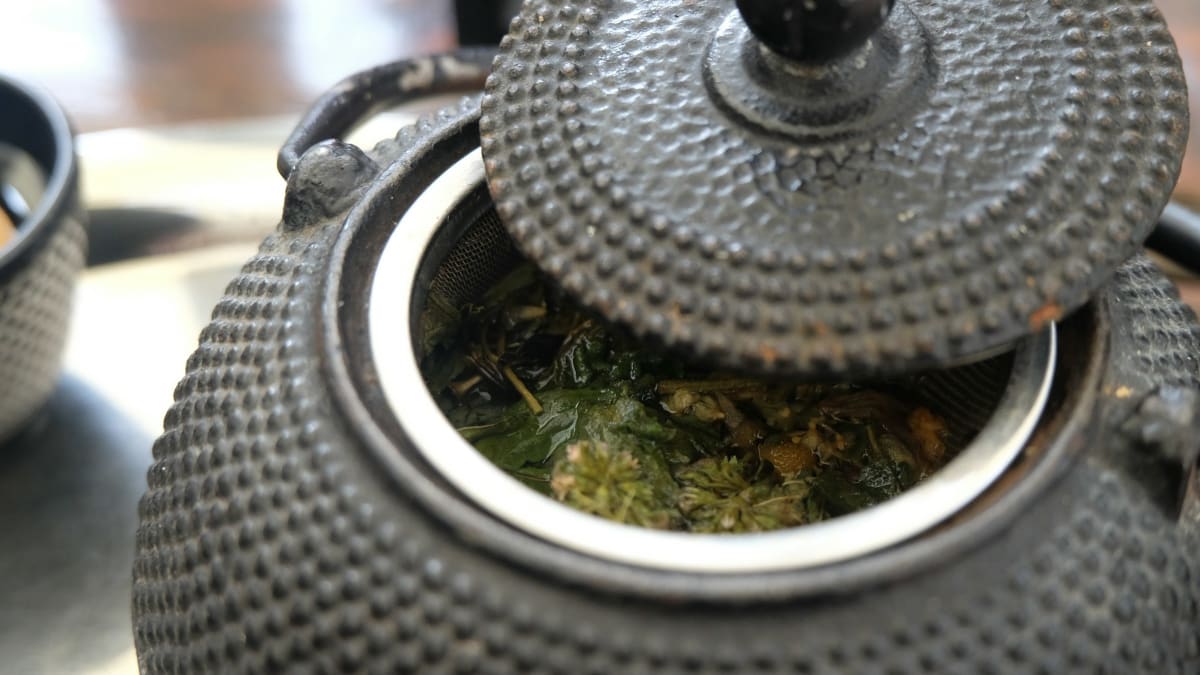
Look inside: a glossy enamel coating and an infuser basket mean it's a teapot for brewing, and bare gray iron with no basket means it's a kettle for boiling.
| Cast iron teapot | Tetsubin kettle |
|---|
| Inside | Glossy enamel, usually black | Bare iron, dull gray |
| Infuser basket | Yes, stainless steel | No |
| Made for | Brewing and keeping tea warm | Boiling water |
| On the stove? | No | Yes |
| Typical size | 0.5 to 1.2 liters | 1 liter and up |
| Typical price | About $30 to $150 | About $150 and up |
In Japan the brewing pot is often called a tetsu kyusu and the kettle a tetsubin. In the US both get sold as "tetsubin teapots," which is where the confusion starts.
What Happens If You Heat an Enamel-Lined Cast Iron Teapot?
Direct heat can crack or chip the enamel lining, and once the enamel is damaged the iron underneath starts to rust. The pot also isn't shaped for boiling: it's small, the handle gets very hot and the lid isn't made to vent steam.
Some budget teapots are listed as "stovetop safe." Sellers who say that usually mean low heat only. Follow the maker's instructions for your pot, and my advice is still to boil the water in a kettle. A kettle does it faster, and your teapot keeps its lining.
How Do You Use a Cast Iron Teapot the Right Way?
Boil the water in a separate kettle, then brew in the cast iron pot. The thick walls hold heat, so it keeps a second and third cup warm far longer than glass or ceramic.
- Fill the teapot with hot water for a minute to warm it, then pour that water out.
- Add loose leaf tea to the infuser basket.
- Pour in water at the right temperature for your tea.
- Steep, then lift out the basket so the tea doesn't turn bitter.
- To keep it hot at the table, set it on a tealight warmer.
Water temperature does most of the work here. A kettle with temperature control makes that easy, and I cover the ones I'd buy in Blog: Ideal Electric Kettles for Tea: 2026 Edition. For why 175°F and 212°F taste so different, see Blog: Why is My Tea Bitter? It's Time and Temperature.
Can You Use a Cast Iron Kettle on a Wood Stove?
Yes for an unlined tetsubin, which was designed for charcoal and open fire. The decorative cast iron "steamers" sold for wood stoves are a different product.
Those wood stove kettles are humidifiers. They sit on the stove and put moisture back into dry winter air. Many are sold only for that purpose, so check the listing before you drink from one.

Fire Beauty Wood Stove Kettle. A cast iron steamer made to sit on a wood stove and humidify the room. It does that job well and looks the part. Treat it as a humidifier and keep a separate kettle for tea.
Check the price of the Fire Beauty Wood Stove Kettle on Amazon.
For drinking water over a fire or camp stove, a steel kettle is lighter and easier to care for. My picks are in Blog: Best Camping Kettle for Tea: 7 Picks for the Stove, the Fire and Your Pack.
How Do You Care for Cast Iron Teaware?
Keep it dry. Rust is the only real enemy of cast iron, and water left sitting inside is what causes it.
- Enamel-lined teapot: rinse with warm water after each use, wipe it dry inside and out, and leave the lid off until it's fully dry. No soap, no dishwasher, no scouring pads.
- Unlined tetsubin kettle: empty it while it's still hot so the leftover heat dries the inside. Leave the lid off. Use it for water only, never tea.
- Both: never leave water or tea sitting in the pot overnight, and don't shock hot iron with cold water.
A little surface rust inside an unlined kettle is normal over time and doesn't mean it's ruined.
Which Cast Iron Teapots and Kettles Are Worth Buying?
Buy an enamel-lined teapot if you want a beautiful pot that keeps tea hot, and an unlined tetsubin only if you want to boil water in iron. Iwachu, from Japan's Iwate region, is the benchmark maker for both. I picked these from maker specs and haven't owned all of them, so read each listing for its own care instructions.
Iwachu Hobnail Teapot. The classic Japanese cast iron teapot: black hobnail pattern, enamel lining and a stainless infuser basket. It's for brewing and serving, so it stays off the stove. This is the one to buy once and keep for decades.
Price range: about $125 to $150. Check for current prices.
Check the price of the Iwachu Hobnail Teapot on Amazon.
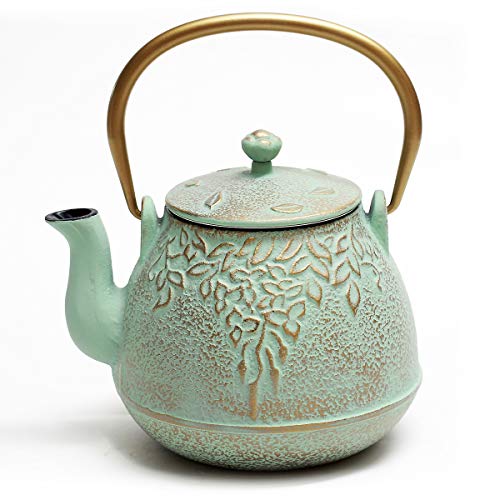
Toptier Cast Iron Teapot. A budget cast iron teapot with an enamel-coated interior and an infuser, in several colors. The listing calls it stovetop safe. I'd still treat it as a brewing pot and heat the water in a kettle, which protects the lining.
Check the price of the Toptier Cast Iron Teapot on Amazon.
Iwachu Arare Iron Kettle. A true Nanbu tetsubin: unlined iron, made for boiling water, and labeled induction compatible. No infuser, because it's a kettle. It needs the dry-after-every-use care described above.
Price range: about $200 to $250. Check for current prices.
Check the price of the Iwachu Arare Iron Kettle on Amazon.

Sungmor Cast Iron Teapot Warmer. A heavy cast iron stand that holds a tealight under the pot. It keeps tea warm at the table with gentle heat, which is the safe way to add heat to an enamel-lined teapot.
Check the price of the Sungmor Cast Iron Teapot Warmer on Amazon.
What About Glass and Other Teapots?
The same rule applies to most teapots: they're made for brewing unless the maker says otherwise. Glass has its own set of rules by stove type, which I cover in Blog: Can You Put a Glass Teapot on the Stove?.
And if you're exploring Japanese tea to go with a Japanese pot, start with Blog: Types of Japanese Green Tea: 11 Japanese Teas, Explained.
Cast Iron Teapot on the Stove: FAQ
Can you boil water in a cast iron teapot?
Only in an unlined tetsubin kettle, which is built for boiling. A cast iron teapot with an enamel lining and an infuser basket is for brewing, so boil the water in a kettle and pour it in.
How do I know if my cast iron teapot is enamel lined?
Look inside. A glossy, smooth, glass-like coating, usually black, means enamel. Dull gray bare iron means it is unlined. An infuser basket is another sign you have a brewing teapot.
Can a cast iron teapot go on an induction stove?
Cast iron is magnetic, so an unlined kettle that's labeled induction compatible will work. Enamel-lined teapots should stay off induction for the same reason they stay off any burner.
What do I do if my cast iron teapot rusts?
Light surface rust is common and easy to manage. Rinse it, wipe it with a soft cloth, dry it fully and keep using it. Avoid soap, scouring pads and the dishwasher.
Can I keep tea warm in a cast iron teapot?
Yes. Cast iron holds heat well, and a tealight warmer under the pot keeps it warm at the table without the stress of a stove burner.
Disclosure: Some links on this page are affiliate links. If you buy something through one, I may earn a small commission, and you pay the same price. Thank you for helping keep this site going.