Tea
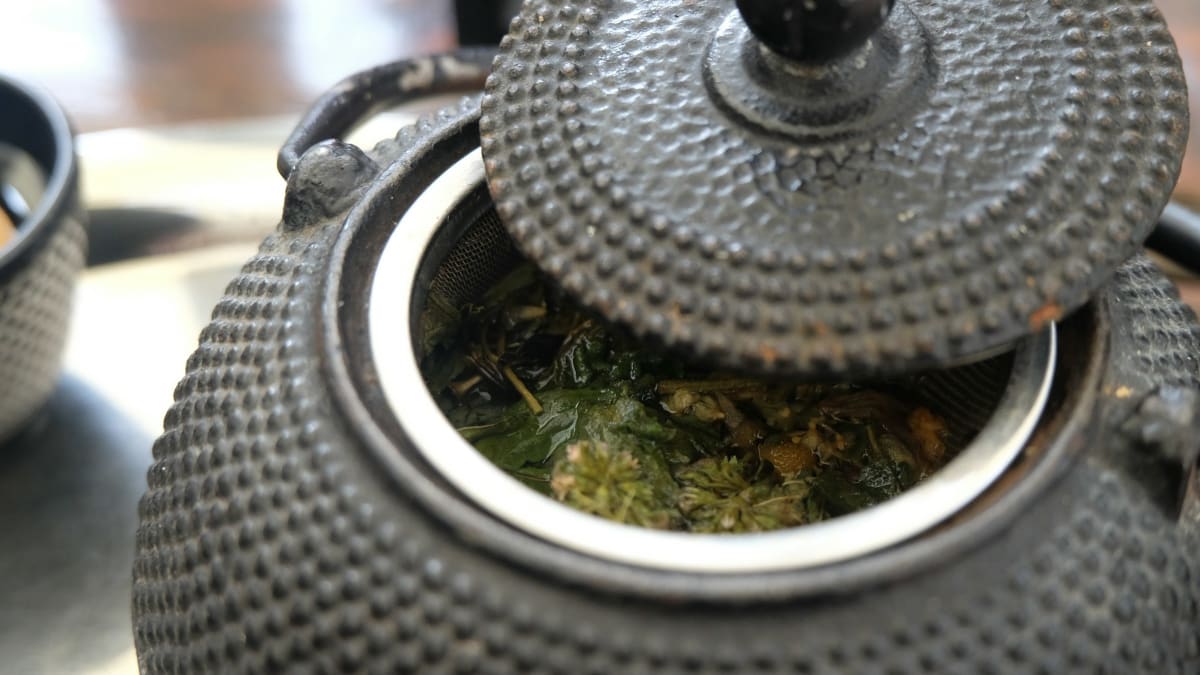
Can You Put a Cast Iron Teapot on the Stove? Teapot vs Tetsubin Kettle
Can you put a cast iron teapot on the stove? Enamel-lined teapots, no. Unlined tetsubin kettles, yes. Here's how to tell which one you have.
Tea
 ·
Published
I only recommend tea gear I've researched or used myself. As an Amazon Associate, I earn from qualifying purchases, and your price stays the same.
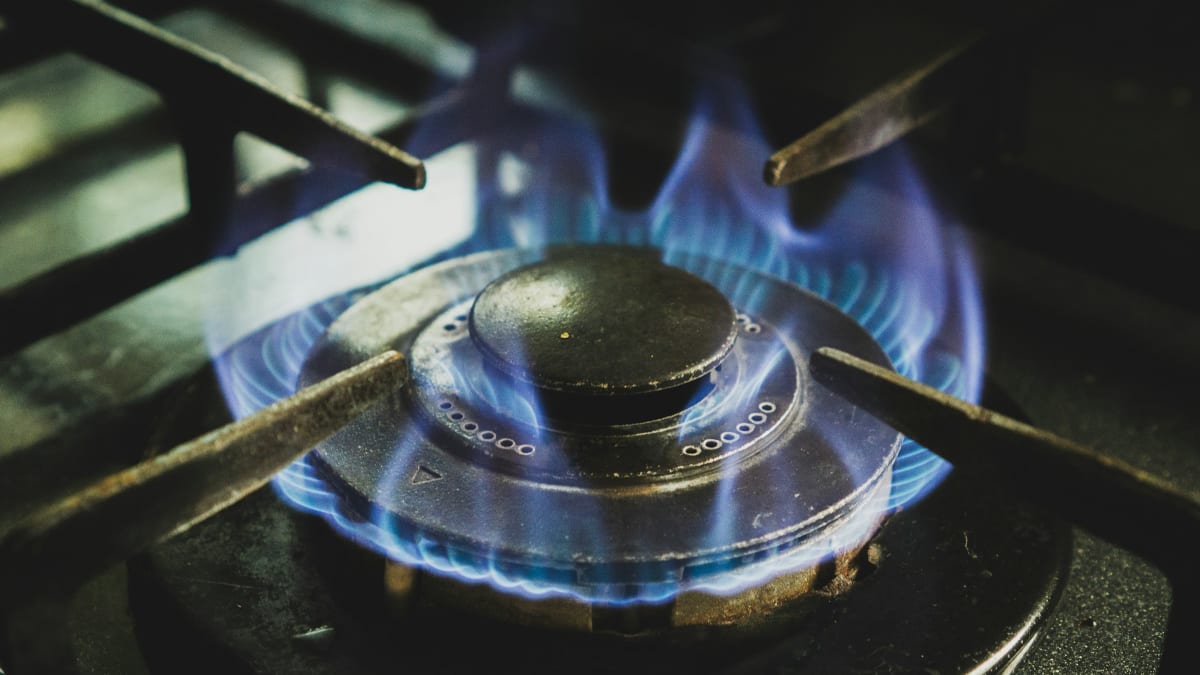
Yes, you can put a glass teapot on the stove, but only if it's made of borosilicate glass and the maker labels it stovetop safe. Use low to medium heat, never heat it empty, and add a heat diffuser on an electric coil burner. A regular glass or decorative teapot should stay off the stove.
That answer covers most people. The details depend on which stove you have and which pot you own, so here's how to check both before you turn on the burner.
A glass teapot is stovetop safe when the maker says so on the box, the listing or the base of the pot. The words to look for are "stovetop safe" and "borosilicate glass."
Borosilicate is the same family of glass used in lab beakers. It expands very little as it heats, so it handles a flame far better than the soda-lime glass in drinking glasses and most decorative teapots.
If you can't find either phrase, treat the teapot as a brewing pot only. Boil the water in a kettle and pour it in. That is how most glass teapots are meant to be used anyway.
Gas and smooth glass-top stoves work with most stovetop-safe glass teapots, electric coils need a heat diffuser, and induction needs a special pot. Here's the short version.
| Stove | Does it work? | What to do |
|---|---|---|
| Gas | Yes | Low to medium flame. Keep the flame under the base, never up the sides. |
| Electric coil | Yes, with a diffuser | Set a metal heat diffuser on the coil so the glass never touches it. |
| Glass-top (smooth electric) | Usually | Check the maker's label. Lift the pot to move it, don't slide it. |
| Induction | Only special models | Plain glass won't heat. Use an induction-ready pot or an adapter plate. |
The coil burner is the one that breaks teapots. A coil heats in rings and touches the glass in a few hot spots, and that uneven heat is what glass handles worst. A wire or plate diffuser spreads it out.
Heat it gently, with water already inside, and keep sudden temperature changes away from it. Almost every cracked teapot comes from breaking one of these rules:
For most tea, boil the water in a kettle and brew in the glass teapot. You get better tea and the teapot lasts longer.
The reason is temperature. Green tea wants water around 160 to 175°F and oolong around 185 to 205°F, and a pot on a burner only tells you when it's boiling. An electric kettle with temperature control hits the number for you. I go through the picks in Blog: Ideal Electric Kettles for Tea: 2026 Edition, and the reasons temperature matters in Blog: Why is My Tea Bitter? It's Time and Temperature.
A stovetop glass pot still makes sense in a few cases: herbal teas and chai that you simmer, blooming teas you want to watch open, a kitchen with no room for another appliance, or a setup with no plastic touching the water.
If you like the look of glass and want the convenience of electric, a glass electric kettle is the middle path. I compare two popular ones in Blog: Why You Should Skip the OXO Glass Kettle (And What to Get Instead). And for a full starter kit with a glass kettle and teapot, see Blog: Tea Setup Under $50: Kettle, Teapot & Mug.
Pick by job: a whistling glass kettle for boiling water, a teapot with an infuser for brewing on the burner, or a large borosilicate pot for big batches. All three below are sold as stovetop safe. I chose them from the makers' specs and haven't tested them on a stove myself, so follow the instructions in the box.


Swipe for more photos →
Medelco 12-Cup Glass Whistling Kettle. A plain glass kettle for boiling water, made of German borosilicate glass and labeled for gas and electric stoves. It whistles when it boils, which matters because glass shouldn't be left to boil dry. It has no infuser, so it's a kettle only. This is the one to get if you want to see the water and keep metal and plastic out of it.
Check the price of the Medelco 12-Cup Glass Whistling Kettle on Amazon.

Swipe for more photos →
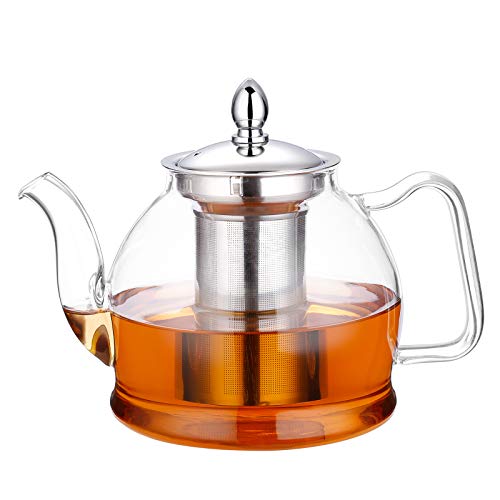
Hiware 1000 ml Glass Teapot. A 1-liter teapot with a removable stainless steel infuser, sold as stovetop safe. It's the common pick for loose leaf, herbal blends and blooming tea. Heat the water with the infuser out, then drop it in once the burner is off.
Check the price of the Hiware 1000 ml Glass Teapot on Amazon.

Simax 2.5 Quart Glass Teapot. A large borosilicate pot from the Czech glassmaker Simax, labeled stovetop safe. At 2.5 quarts it suits big batches of herbal tea or iced tea for a group. There's no infuser, so use tea bags or strain as you pour.
Check the price of the Simax 2.5 Quart Glass Teapot on Amazon.
On an electric coil stove, add a diffuser. Two that are made for glass:

Chemex Wire Grid. A simple steel wire grid that sits on the coil and holds the glass just above it. Chemex makes it for its glass coffee makers and kettles, and it works the same way under a glass teapot.
Check the price of the Chemex Wire Grid on Amazon.

Café Brew Heat Diffuser Trivets. A three-pack of small metal trivets for electric coil ranges, from the same company behind the Medelco glass kettle. Cheap insurance if you cook on coils.
Check the price of the Café Brew Heat Diffuser Trivets on Amazon.
Most teapots are made for brewing, so the stove question comes up with every material. Cast iron is the other one people ask about, and the answer there has a twist: Blog: Can You Put a Cast Iron Teapot on the Stove?.
If you're deciding what to boil water in to begin with, Blog: Is a Gooseneck Kettle Worth It for Tea? covers when the spout shape matters.
Yes, if the maker labels it stovetop safe. Use a low to medium flame and keep the flame under the base of the pot so it never climbs the sides.
Yes on a smooth glass-top stove if the teapot is labeled for it. On an electric coil burner, put a heat diffuser between the coil and the glass.
A plain glass teapot won't heat on induction, because induction only heats magnetic metal. You need an induction-ready model with a metal base, or an induction adapter plate.
Many borosilicate teapots can once you take out the metal infuser and lid, but check the maker's instructions first.
The usual causes are thermal shock (cold water into a hot pot, or a hot pot onto a cold, wet counter), heating it empty, high heat on a coil burner with no diffuser, or a small chip that was already there.
Disclosure: Some links on this page are affiliate links. If you buy something through one, I may earn a small commission, and you pay the same price. Thank you for helping keep this site going.
Keep Reading
Can you put a cast iron teapot on the stove? Enamel-lined teapots, no. Unlined tetsubin kettles, yes. Here's how to tell which one you have.
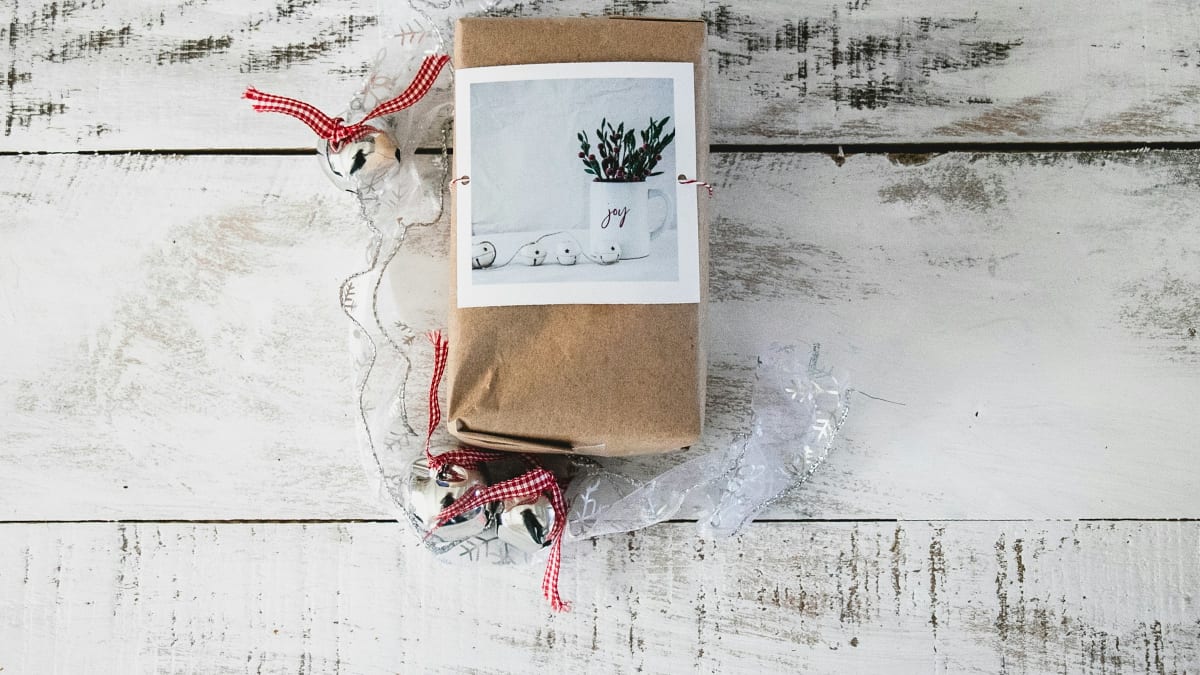
What to put in a tea gift basket: 2 or 3 good teas, a way to brew them, a mug, something sweet and a personal touch. Ideas by budget and by person.

The best camping kettle for tea is the GSI Halulite for most people. Plus 6 more picks for campfires, backpacking, collapsible packs and no-fuel boils.