Tea
Yerba Mate vs Matcha: Caffeine, Taste and Which One to Drink
Yerba mate vs matcha: mate has more caffeine per cup and suits long work sessions. Matcha is calmer and takes two minutes. Taste, cost, gear and my pick.
Matcha
 ·
Published
·
Updated
I only recommend tea gear I've researched or used myself. As an Amazon Associate, I earn from qualifying purchases, and your price stays the same.
Here's the short answer: a cup of matcha has roughly 40 to 70mg of caffeine. A cup of coffee has around 95mg. So coffee wins on raw numbers.
But that's not the whole story. And if you've ever switched from coffee to matcha, you already know something is different... even if you can't explain why.
| Drink | Typical caffeine |
|---|---|
| Matcha (1 to 2 g of powder) | 40 to 70 mg |
| Drip coffee (8 oz) | About 95 mg |
| Espresso (1 shot) | About 63 mg |
| Black tea (8 oz) | About 47 mg |
| Green tea (8 oz) | About 28 mg |
A standard serving of matcha uses about one to two grams of powder, which puts you somewhere between 40 and 70mg of caffeine. A typical eight-ounce cup of drip coffee lands around 95mg. Espresso is stronger per ounce, though one shot has less total caffeine than a full cup. These are typical numbers, and the real amount shifts with the matcha, the beans and how much you use.
So yes, matcha has less caffeine. Noticeably less.
But caffeine content alone doesn't explain why matcha drinkers tend to feel calm and focused instead of wired and jittery. For that, you need to know about L-theanine.

Matcha is unusually high in an amino acid called L-theanine. It occurs naturally in tea plants, but matcha has significantly more of it than most teas because of the shading process used during growing.
L-theanine promotes a state of relaxed alertness. It doesn't sedate you. It smooths out the caffeine.
The combination of caffeine and L-theanine is genuinely different from caffeine alone. Research backs this up: the two compounds together improve focus and attention without the spike and crash that coffee tends to produce.
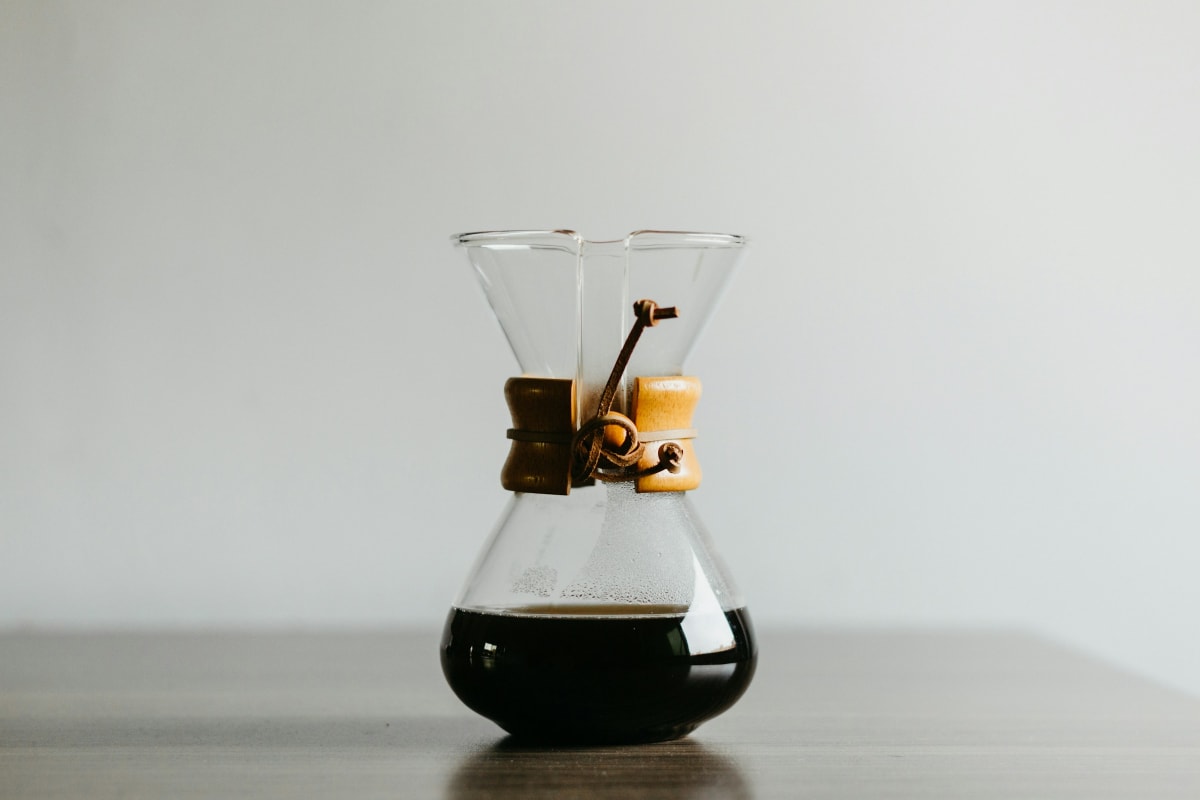
Coffee delivers caffeine fast. Your bloodstream absorbs it quickly, your energy spikes, and then it drops. Most coffee drinkers know this cycle well.
Matcha works differently for two reasons. First, the L-theanine slows caffeine absorption, so the energy release is more gradual. Second, when you drink matcha, you're consuming the whole leaf in powdered form. You're not steeping and discarding it. Everything in that leaf goes into your body, and your system processes it more slowly as a result.
The result is a buzz that tends to last three to six hours without the hard landing.
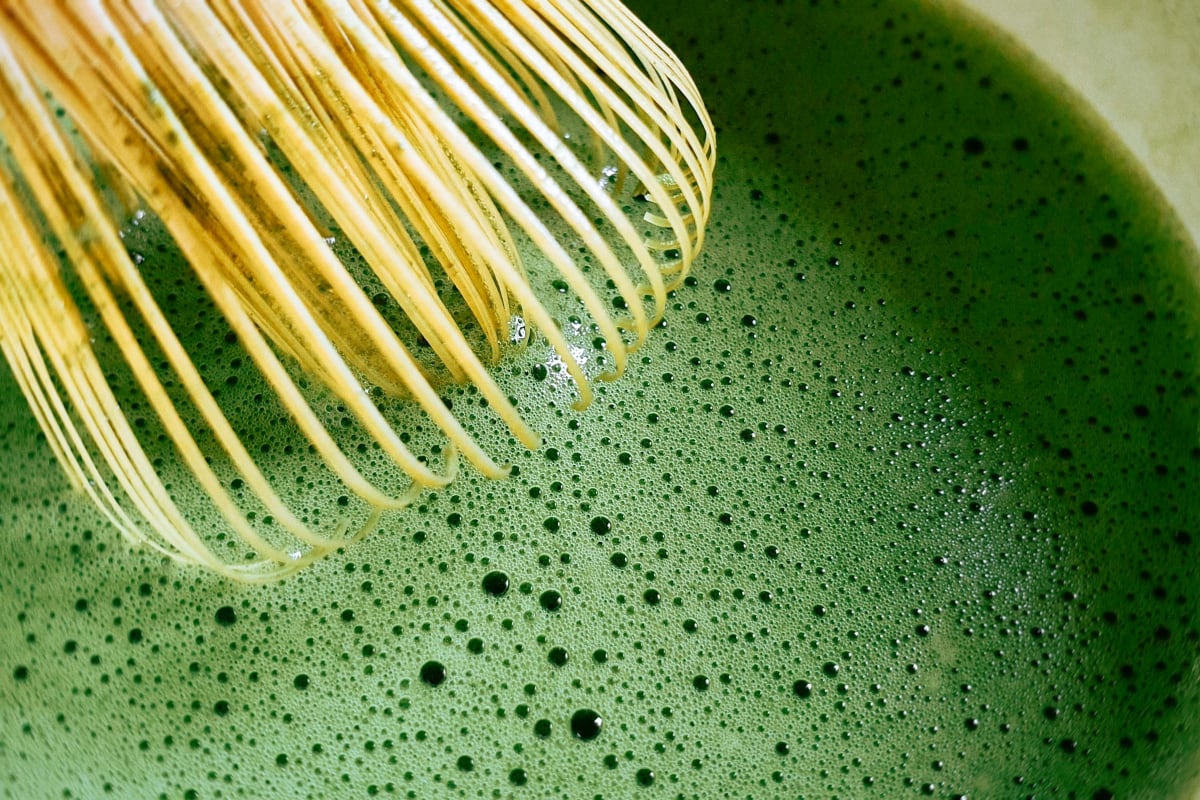
Depends on what you need.
If you want a quick, strong hit first thing in the morning, coffee does that better. If you need sustained focus for a few hours, want to avoid the jitters, or are sensitive to caffeine, matcha is worth taking seriously.
A lot of people use both. Coffee in the morning, matcha in the afternoon. That's not a bad system.
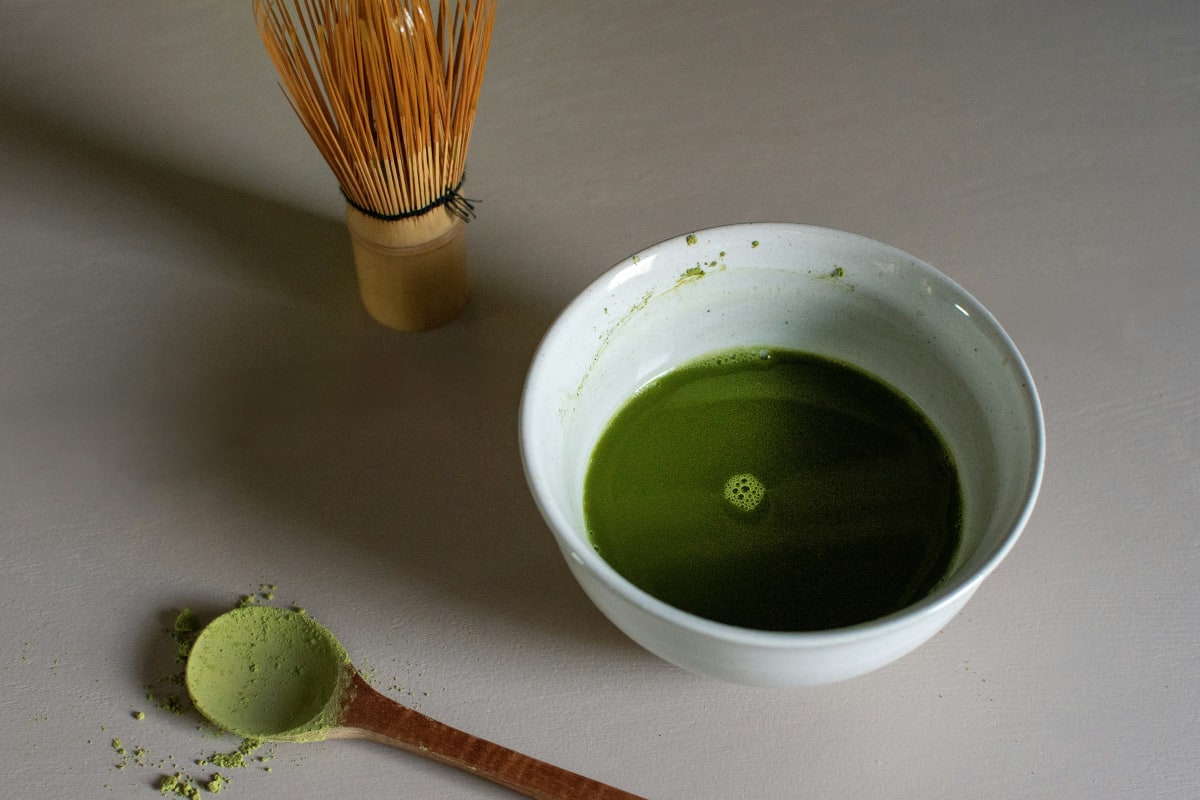
If you're new to matcha, the quality of what you buy matters more than most people realize. Culinary grade is fine for cooking. For drinking it straight, go ceremonial.
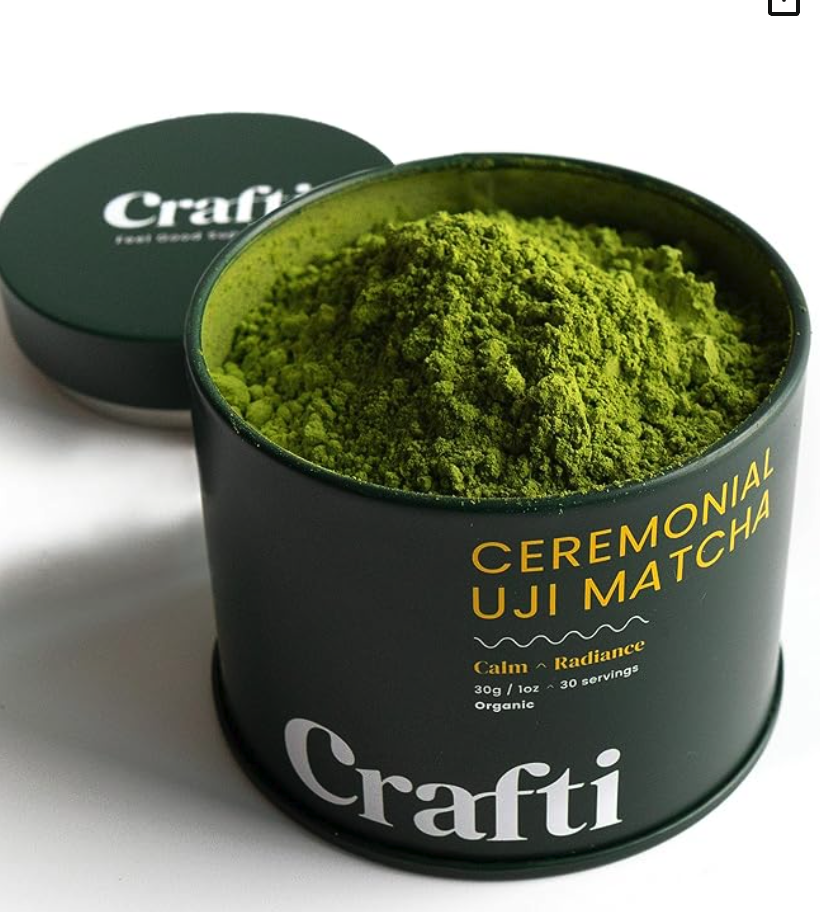
Want to bring this ritual and this superfood into your own life?
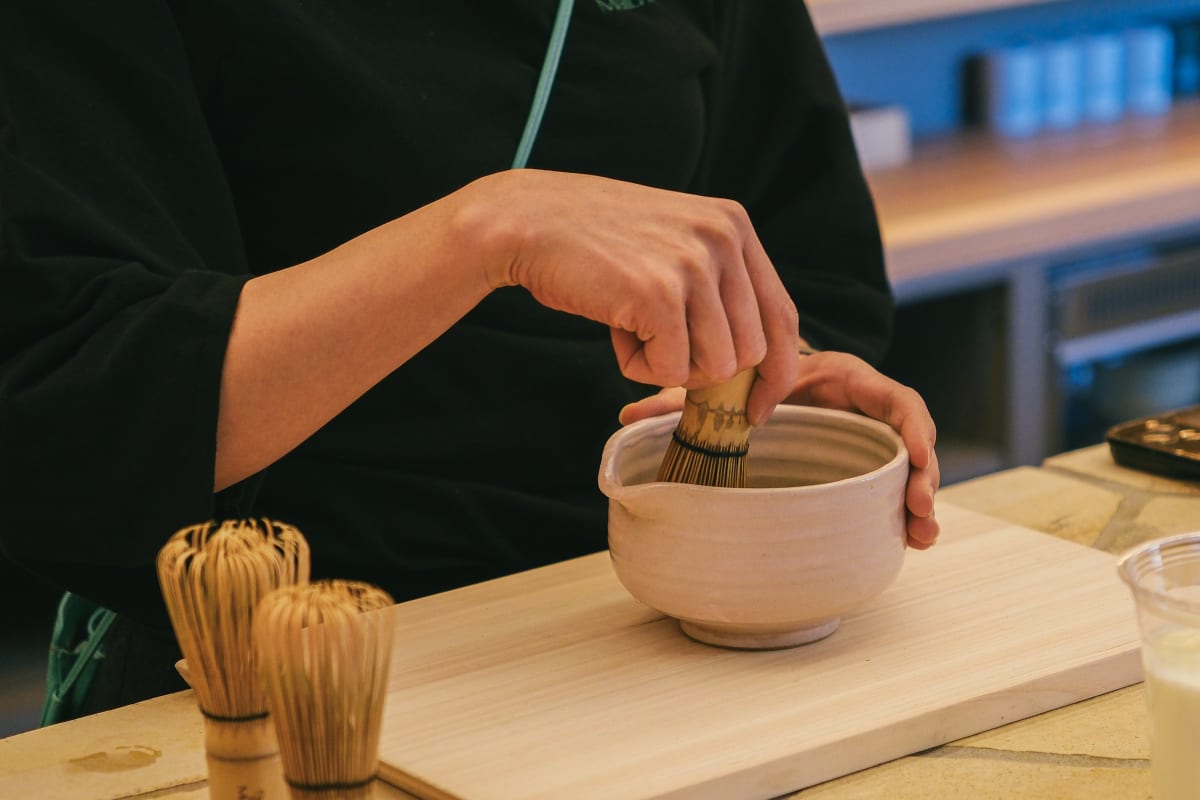
To prepare authentic matcha, you'll need a few essential tools: a porcelain bowl, a bamboo whisk, and high-quality matcha.
Skip the supermarket stuff. Go for tea companies that source directly from Japan.
Matcha comes in two grades: culinary and ceremonial. For a truly enriching matcha experience, go ceremonial to taste the full, rich flavors.
Culinary grade is great for cooking and baking. But if you're drinking it, ceremonial is worth it.
For price and quality on Amazon, I'd go for Crafti:.
Buy a matcha bowl, a whisk, a sift, and you're off to the races!
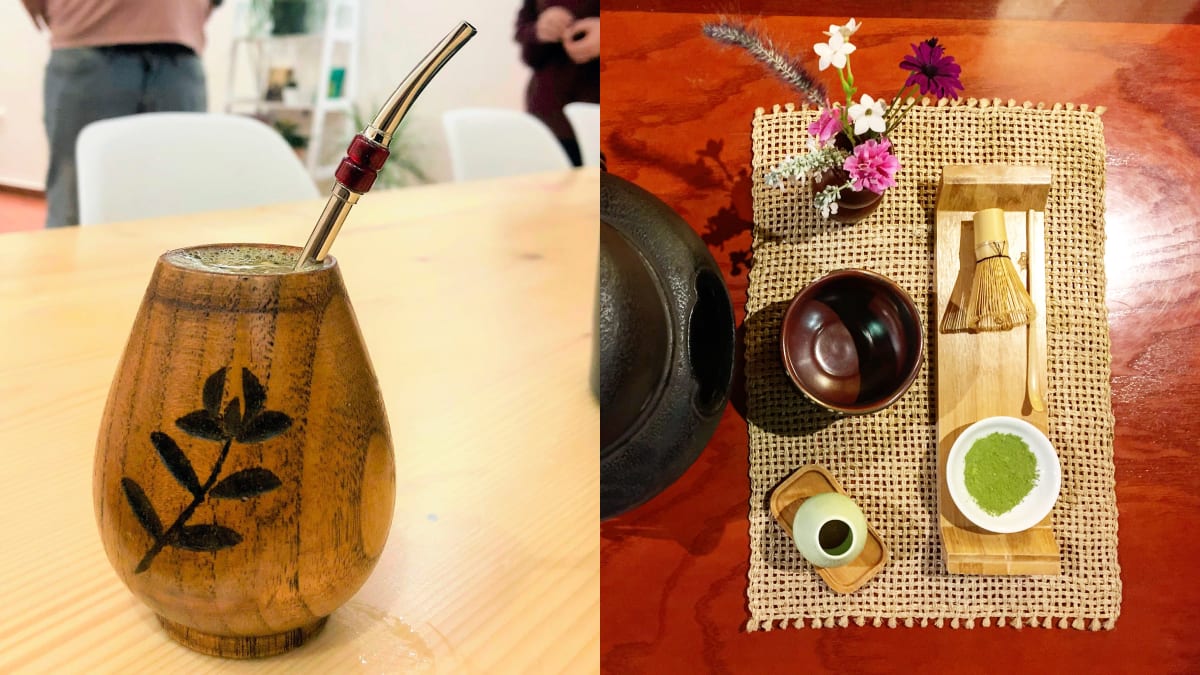
Curious how matcha stacks up against yerba mate? I compared the two in Blog: Yerba Mate vs Matcha: Caffeine, Taste and Which One to Drink.
If you're going to be familiar with any Japanese tea, it's matcha.
Matcha, which translates to "powdered tea," has gone global in a way that few food or drink traditions ever do. In recent decades it has spread around the world like nothing before it. It's been celebrated for its health properties, especially for digestion and as an antioxidant powerhouse.
Why is matcha healthier than other teas? Instead of simply steeping leaves in water, you're essentially eating them. All the benefits of tea multiply as you digest the matcha. Everything is more intense... including the caffeine content.
The last several years have seen a tremendous matcha boom. In 2006 it entered Starbucks menus as the "green tea latte" and crashed into the cafe world as a new healthy, delicious milk-based drink. That magical green powder is now used in desserts, culinary dishes, and sweets of every kind.
Making matcha lattes at home? Blog: Best Milk Frother for Matcha Lattes (and Chai).
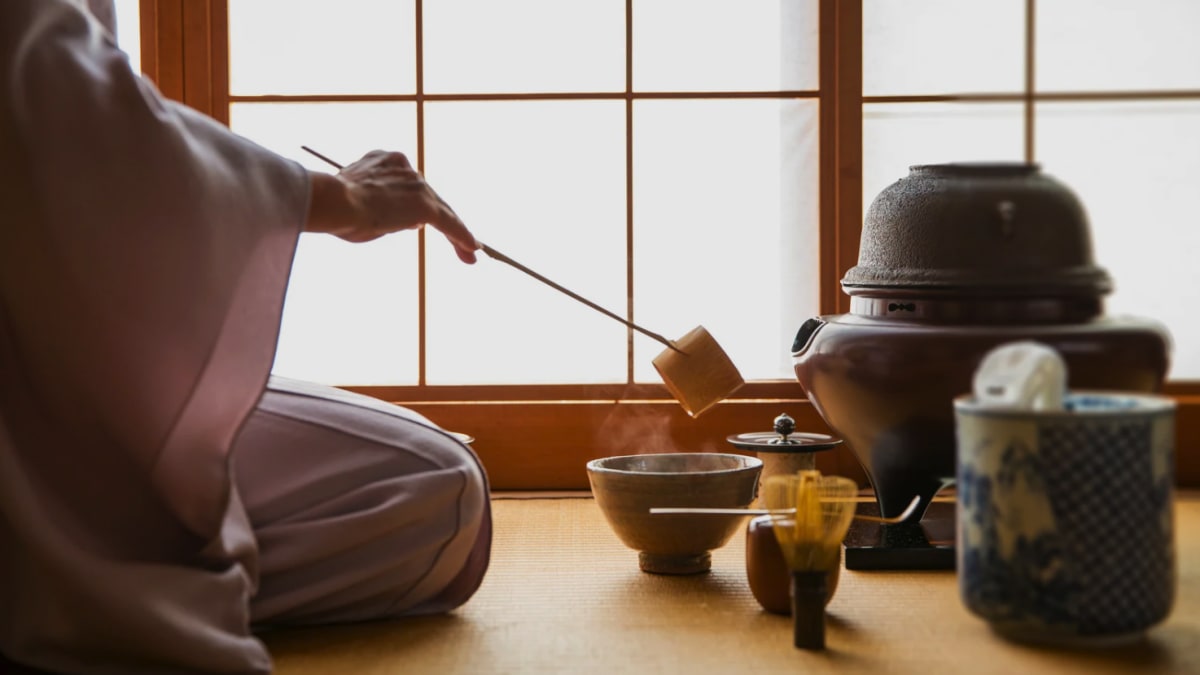
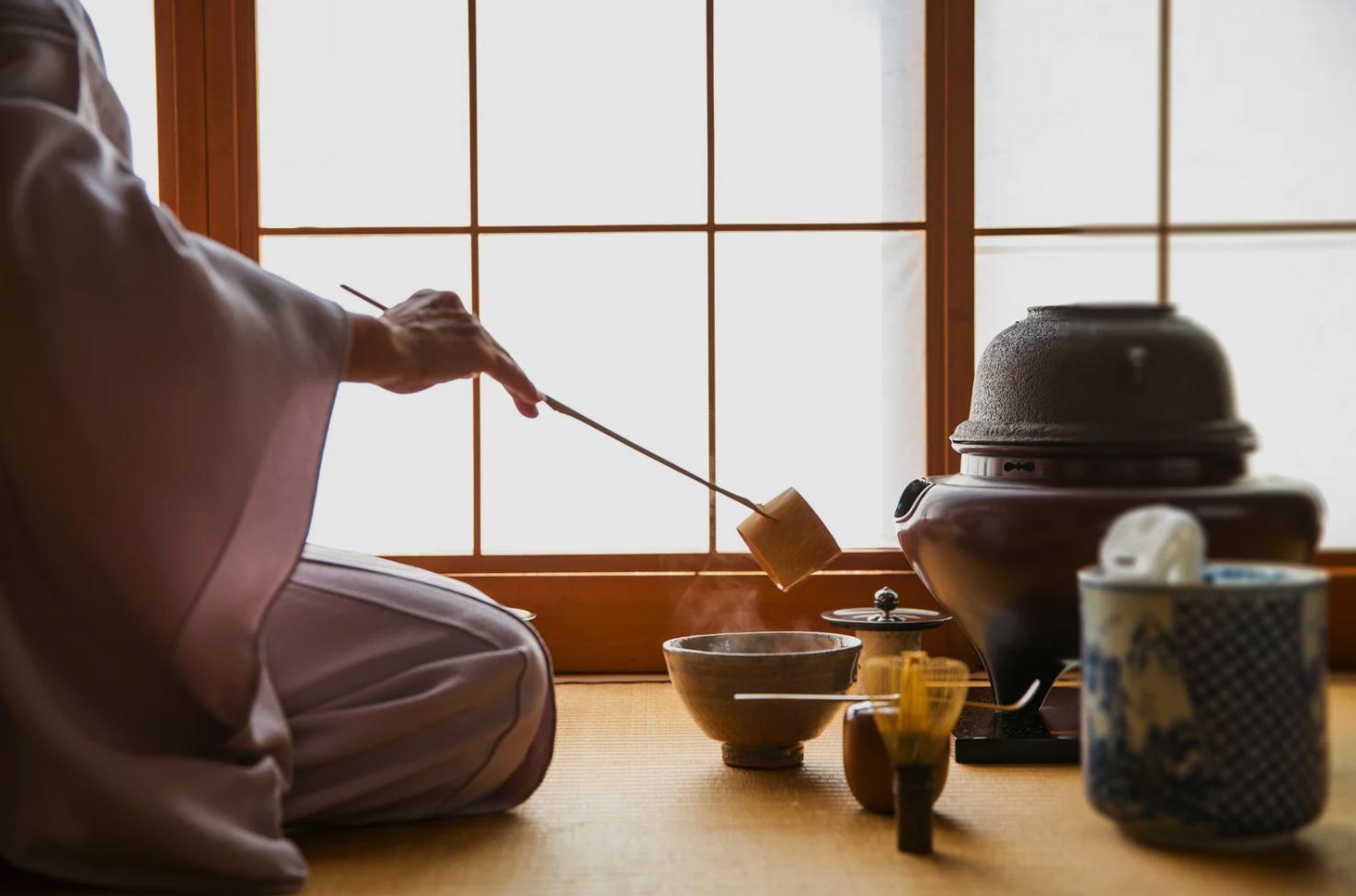
Meanwhile, in its homeland, the traditional purpose of matcha runs much deeper. More ritual, more artistic. The Japanese tea ceremony, known as chado (the way of tea), emerged as a ritual celebration of the beauty and simplicity of tea, becoming an integral part of Japanese culture.
The centerpiece of this ceremony is high-quality matcha, whisked into a frothy jade-colored elixir that embodies tranquility and mindfulness. No milk, no sweeteners. The bowl is shared between friends, family, or business guests.
With a detailed set of rules and traditions, a traditional Japanese tea ceremony usually takes around four hours.
Every last detail engages all the senses and brings peace and presence to each moment.
To learn more about Japanese Tea varieties, read the full post here.
Keep reading:
Disclosure: Some links on this page are affiliate links. If you buy something through one, I may earn a small commission, and you pay the same price. Thank you for helping keep this site going.
Keep Reading
Yerba mate vs matcha: mate has more caffeine per cup and suits long work sessions. Matcha is calmer and takes two minutes. Taste, cost, gear and my pick.
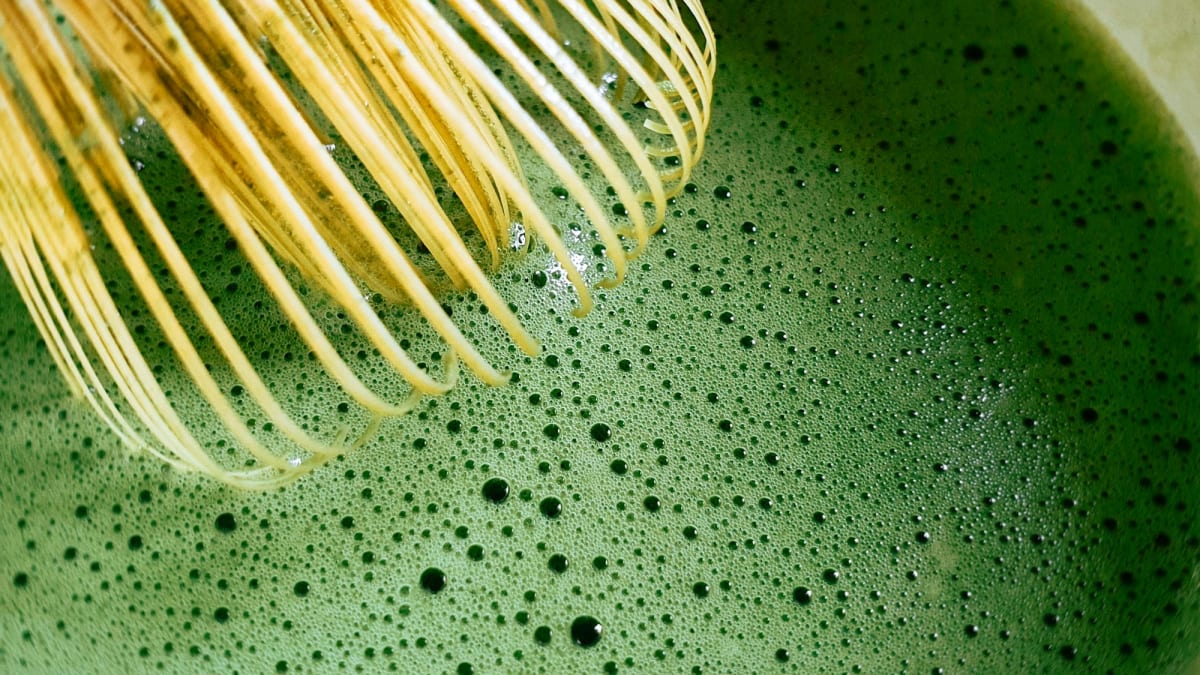
Matcha Black Friday deals: ceremonial matcha to stock up on, handmade chawans, bamboo chasen, the Cuzen Matcha Maker and what a good sale price looks like.
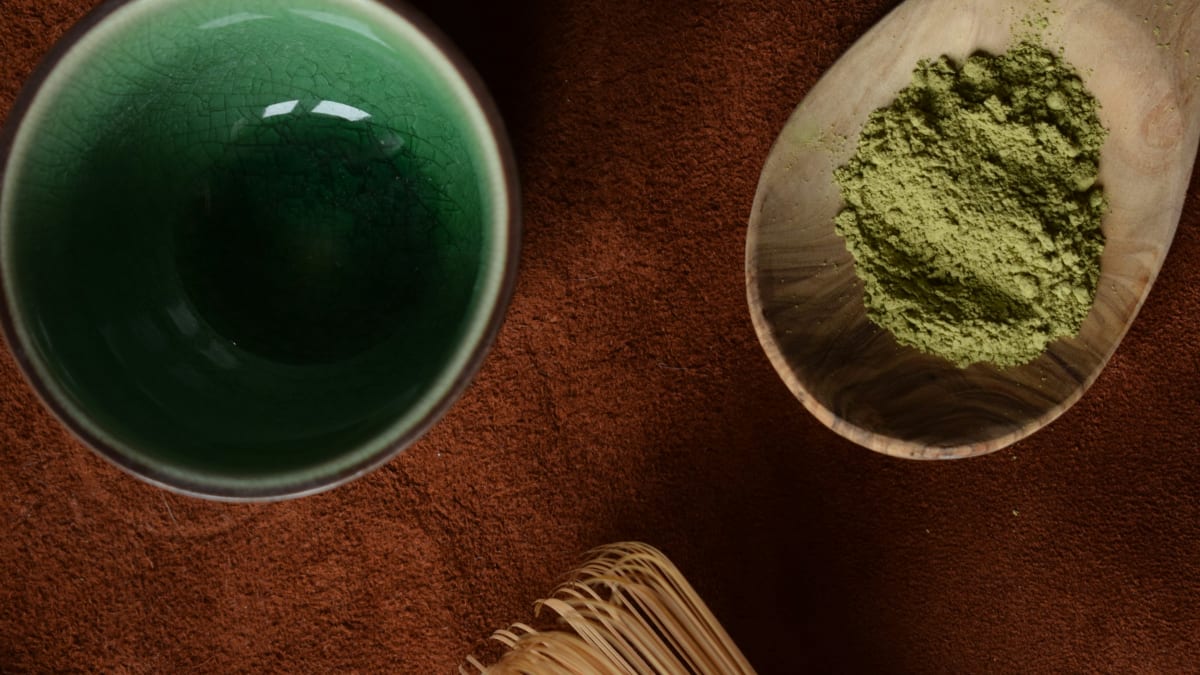
The best matcha gift set for most people has a bowl, a bamboo whisk, a holder and a sifter. Here are 8 sets from $15 to a box from Tokyo, and who each suits.